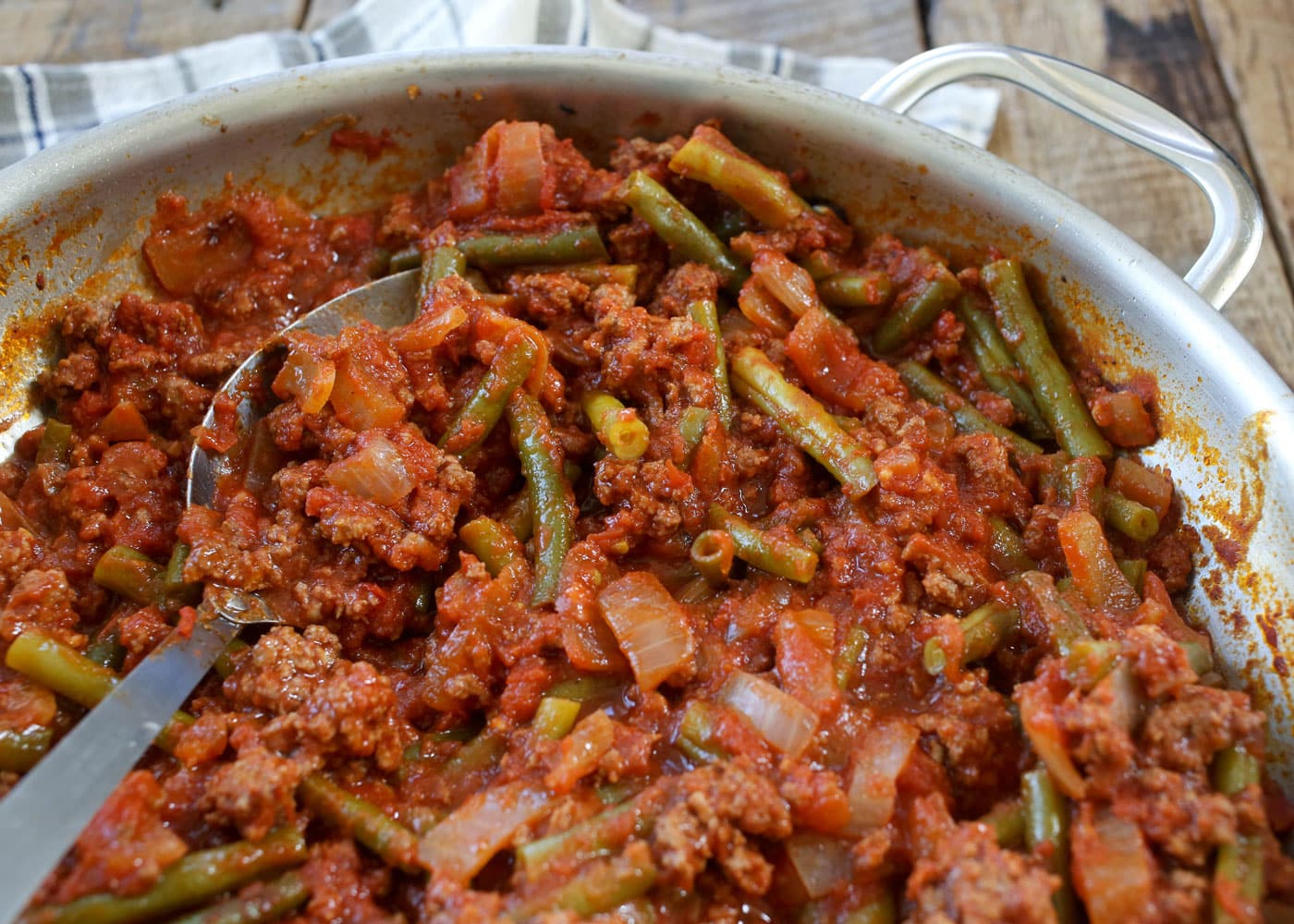
No-Fuss Lebanese Beef and Green Beans: A Family Favorite for Every Table
There’s a certain magic in a dish that effortlessly blends simplicity with profound flavor, and the Lebanese Beef and Green Beans recipe is precisely that. Known in Arabic as Loubieh Bi Zeit (though typically referring to a vegetarian version with olive oil, the addition of meat creates a hearty stew), this beloved comfort food transcends culinary boundaries, earning a cherished spot in kitchens from Beirut to bustling family homes around the globe. Imagine tender cuts of beef, whether ground or slow-cooked, mingling with vibrant green beans, all simmered in a rich, savory tomato sauce until every spoonful is a warm embrace. It’s the kind of meal that promises minimal fuss but delivers maximum satisfaction, making it an ideal choice for busy weeknights and cherished family gatherings alike. This article will guide you through the heartwarming world of this irresistible dish, exploring its origins, sharing essential tips, and revealing why it truly is a family favorite.The Heart of Lebanese Comfort: What Makes This Dish So Special?
At its core, the Lebanese Beef and Green Beans recipe is a testament to the power of humble ingredients transformed through patient cooking. What might seem like a straightforward combination of meat, vegetables, and sauce is, in fact, a symphony of textures and tastes. The key lies in the slow simmering process, which allows the flavors to deepen and meld, creating a luxurious, aromatic experience. The foundation typically starts with finely chopped onions, gently sautéed until translucent and sweet, forming an aromatic base. Then, the beef – often ground beef for quickness, or larger cuts like shoulder roast for a richer, more substantial stew – is browned, locking in its savory juices. The star of the show, fresh green beans, contributes a delightful crisp-tender bite and a vibrant pop of color, contrasting beautifully with the rich, often subtly spiced tomato sauce. This sauce, often just crushed tomatoes or tomato paste thinned with water or broth, becomes the vessel for all these ingredients to slowly intertwine, transforming into a deeply comforting stew. It’s this unpretentious approach to cooking that allows the natural goodness of each component to shine, resulting in a dish that's both wholesome and incredibly satisfying.A Journey Through Flavor: Tracing the Roots of This Beloved Recipe
Like many treasured family recipes, the Lebanese Beef and Green Beans stew carries stories and traditions within its depths. For many, this dish evokes memories of loved ones and shared meals. We hear tales of it being passed down through generations, like a cherished family heirloom. For instance, the reference context mentions a sister, Jenny, making it for her family, a recipe originally from her Aunt A – an aunt described as full of love and support, who always brought a treat or surprise. Such anecdotes highlight how food is not just sustenance, but a powerful connector, binding families through shared culinary experiences and flavors that evoke warmth and belonging. Beyond individual family legacies, the Irresistible Lebanese Beef and Green Beans: Easy Comfort dish also has a fascinating cultural journey. It's a staple in Lebanese cuisine, but its reach extends far and wide, reflecting historical migrations and cultural exchanges. For example, it was brought to Israel by Jewish immigrants from Lebanon, integrating into the diverse tapestry of Israeli home cooking. One family’s experience details how an Israeli-Syrian grandmother, born in Israel after her parents moved from Aleppo to Jerusalem, taught her daughter a number of Israeli dishes, including this very Lebanese Beef and Green Beans recipe. This beautifully illustrates how recipes evolve and adapt across regions and generations, sometimes simplifying for convenience, sometimes incorporating local influences, but always maintaining their comforting essence. Whether served as a traditional Lebanese meal or a family adaptation, the dish carries a legacy of connection and heritage.Mastering the "No-Fuss" Factor: Tips for a Perfect Lebanese Beef and Green Beans Recipe
The true beauty of a great lebanese beef and green beans recipe lies in its ability to deliver incredible flavor with minimal hands-on effort. Here’s how you can master its simplicity and make it your own:Ingredient Selection and Preparation
- The Beef: While ground beef is often used for its speed and ease, offering a quicker cook time, don’t shy away from using stew meat like shoulder roast. If opting for cuts, ensure they are cubed evenly for consistent cooking and allow extra simmering time for them to become fork-tender.
- Green Beans: Fresh green beans are always preferable for their vibrant color and crisp texture. However, frozen green beans are a fantastic, no-fuss alternative, especially when time is short. Simply add them directly to the stew a few minutes before serving to prevent them from becoming mushy.
- The Tomato Base: Canned crushed tomatoes or diced tomatoes are the most common and convenient choices, providing a rich, consistent flavor. For a brighter, fresher taste, you can use ripe fresh tomatoes, peeled and diced, adjusting the liquid content accordingly.
- Aromatics: Onions are non-negotiable! They form the sweet, savory foundation. Garlic is an excellent addition if you desire a deeper aromatic profile.
- The Secret Splash: One delightful tip from the reference context is "that splash of wine." A dry red wine adds a layer of depth and complexity, enhancing the savory notes of the beef. If you prefer to avoid alcohol, a splash of balsamic vinegar or a good quality beef broth can provide a similar flavor boost.
- Seasoning: Keep it simple. Salt and black pepper are essential. Some family versions use chicken bouillon powder for an added savory kick, especially in simpler renditions. For an authentic touch, consider a pinch of allspice or Lebanese seven-spice blend, which often includes cinnamon, nutmeg, and cloves, adding a subtle warmth without overpowering the dish.
Cooking Techniques for Optimal Flavor
The secret to a truly outstanding lebanese beef and green beans recipe is the simmering time. While hands-on prep is minimal, the magic happens as the ingredients slowly cook together.
- Sautéing the Aromatics: Always start by gently cooking the onions until they are soft and translucent. This step sweetens them and builds the flavor base.
- Browning the Beef: For ground beef, ensure it’s browned evenly and any excess fat is drained. For stewing cuts, searing them on all sides before adding liquids will create a richer, more flavorful exterior and seal in juices.
- The Simmer: Once all ingredients are in the pot, allow the stew to simmer gently, covered, for at least 30-45 minutes (longer for stewing cuts). This low, slow cook time allows the beef to tenderize, the green beans to absorb the rich tomato sauce, and all the flavors to fully meld.
For more detailed step-by-step instructions and practical advice, be sure to check out this Flavorful Lebanese Beef & Green Beans: Simple Recipe Guide.
What to Serve with Your Lebanese Beef and Green Beans
This versatile stew pairs beautifully with a variety of sides, allowing you to tailor your meal to your preference or cultural context.- Rice: The quintessential accompaniment. White rice is a classic choice, perfect for soaking up every last drop of the savory tomato sauce. Israeli Yellow Rice, subtly seasoned with turmeric, or the less common Israeli Red Rice, often tomato-based, are also excellent choices that add color and flavor.
- Potatoes: Garlic Smashed Potatoes offer a creamy, flavorful alternative to rice. While mashed potatoes are a comforting pairing in many Western homes, the reference context notes they are less common in Israel, where rice reigns supreme for authentic meals.
- Fresh Bread: Warm pita bread is an absolute must for many, ideal for scooping up the rich stew and enjoying every last bit of sauce.
- Simple Salad: A crisp, refreshing side salad, such as a traditional Lebanese Fattoush or Tabbouleh, or even just a simple cucumber and tomato salad dressed with lemon and olive oil, can provide a lovely counterpoint to the richness of the stew.
- Yogurt or Labneh: A dollop of plain yogurt or creamy labneh (strained yogurt) on the side can offer a cooling, tangy contrast to the warm, savory stew.
